
商品
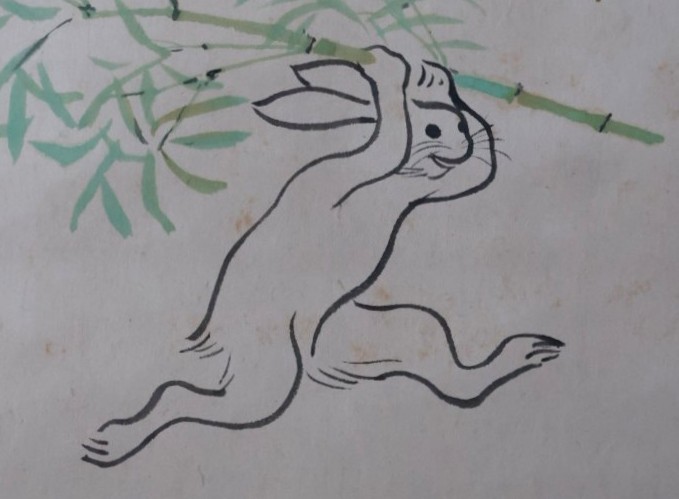
うさぎ図 橋本明治 筆






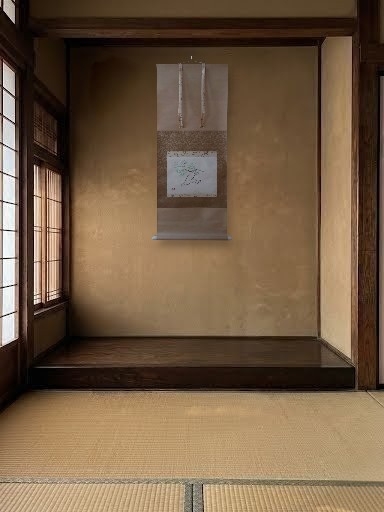
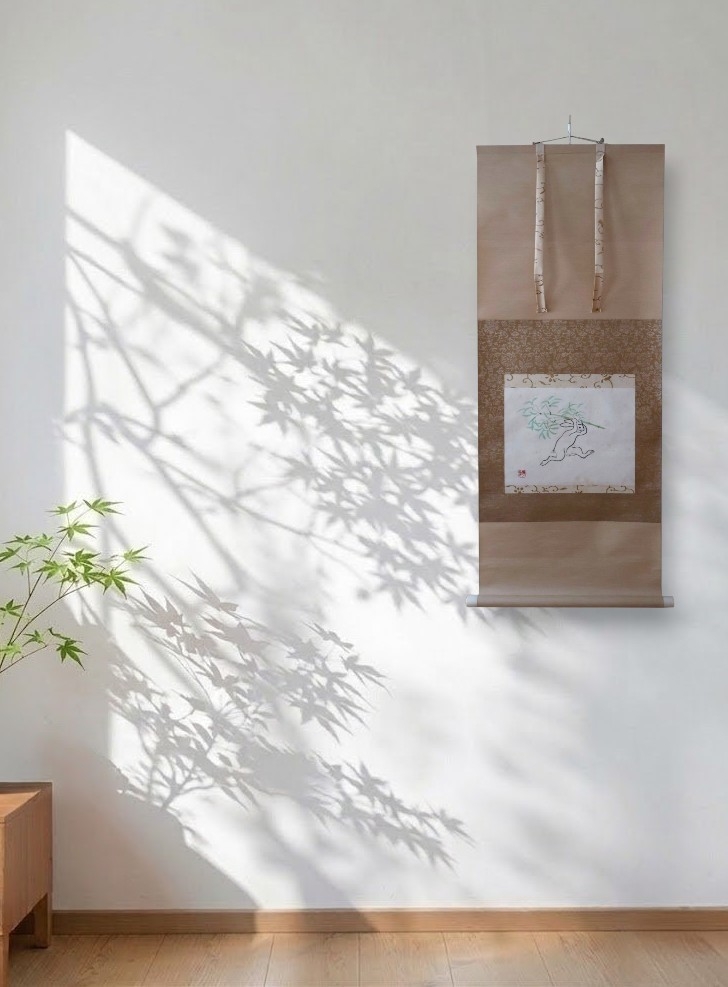

うさぎ図 橋本明治 筆
時代 昭和期
寸法 外寸112.5 × 45.5 cm / 本紙 32.5 × 26.0 cm
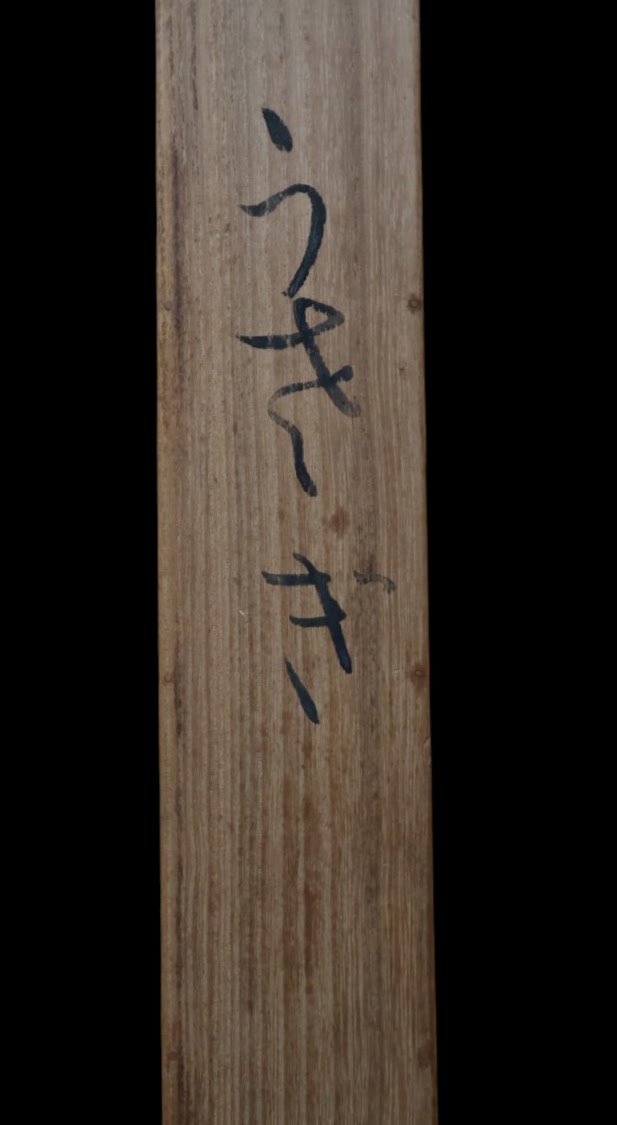
技法・材質 紙本墨画淡彩 ・付属品:共箱
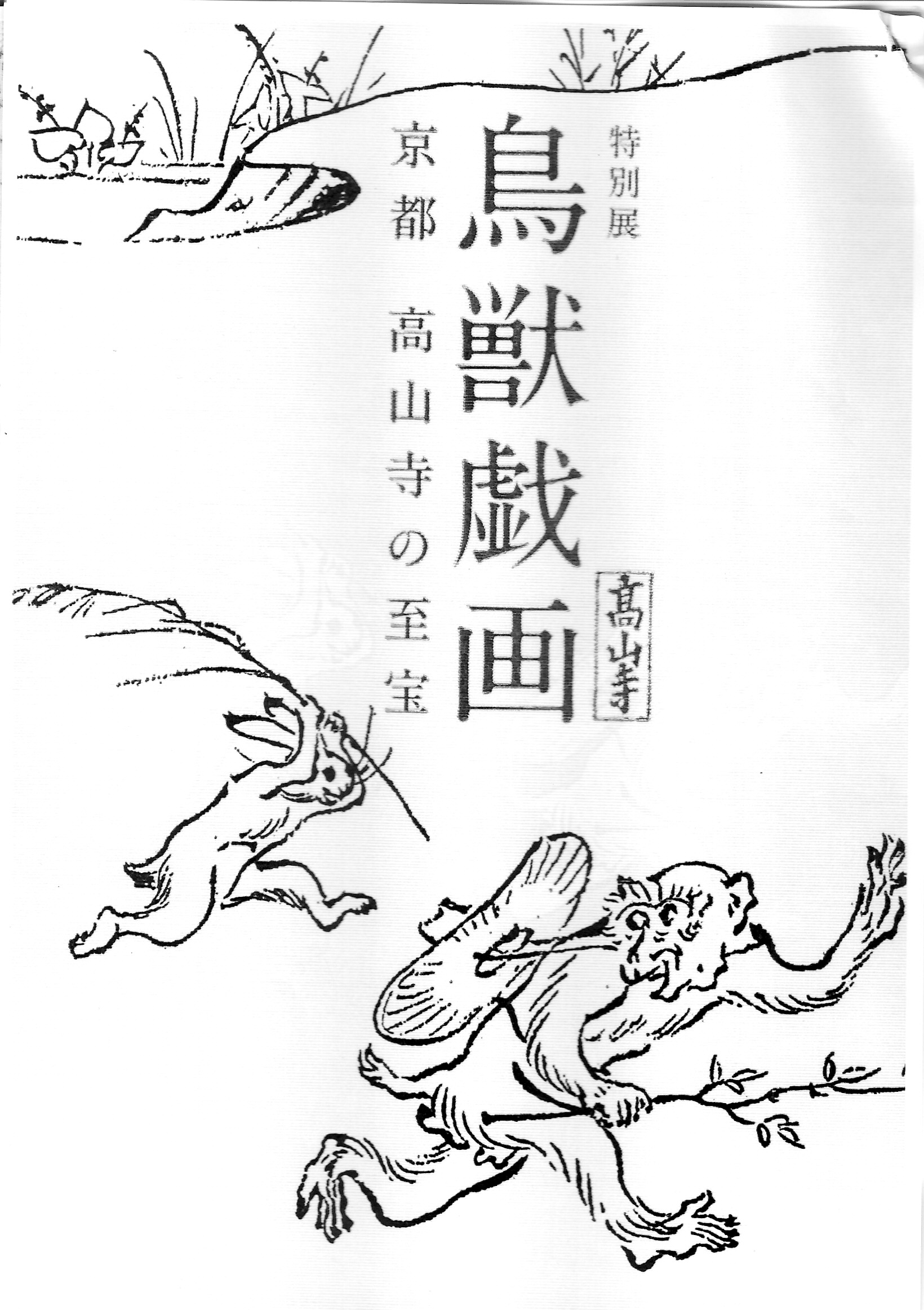
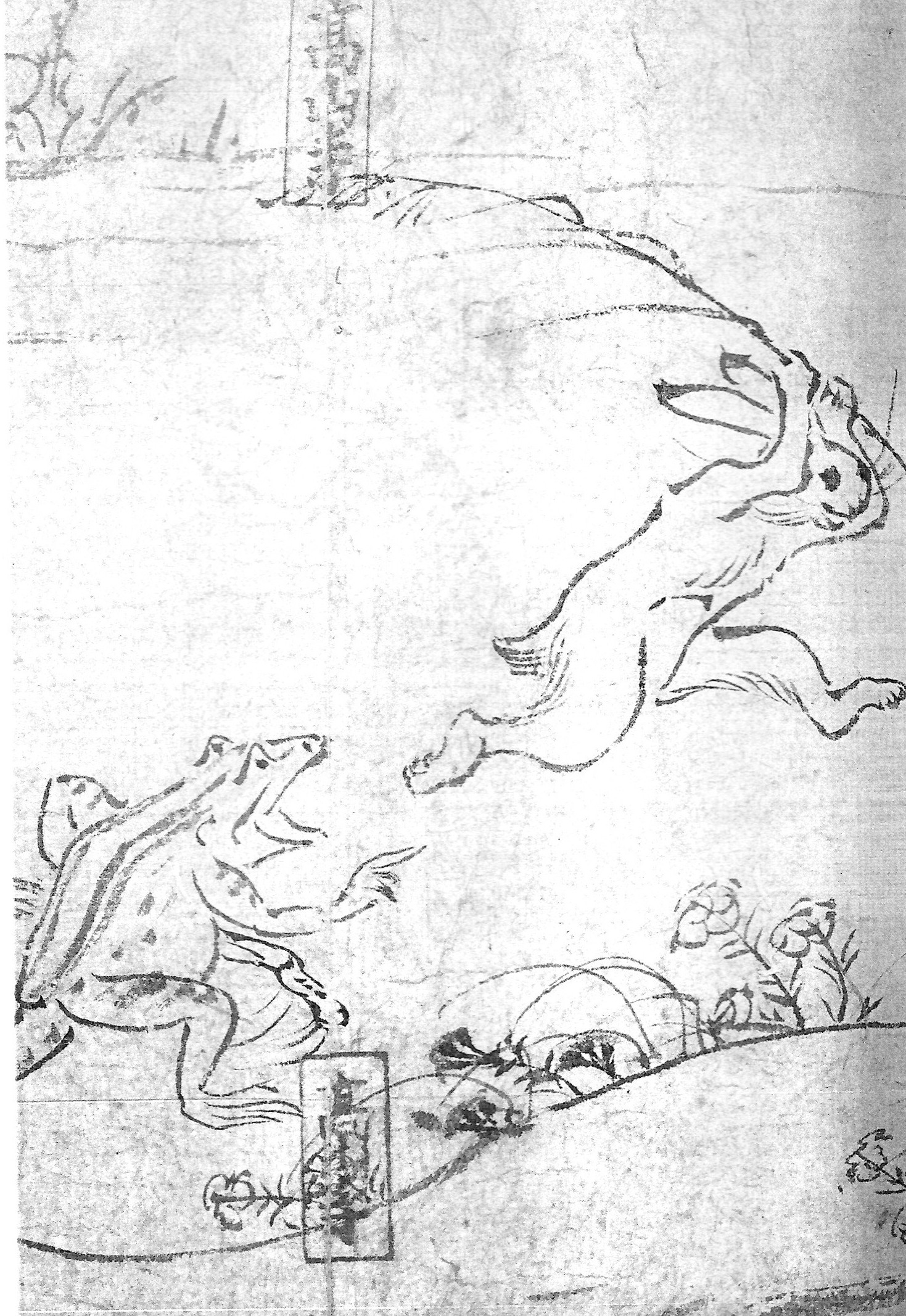
軽やかな跳躍を見せるうさぎが、笹を肩に担ぐ情景。昭和を代表する日本画家・橋本明治による本作は、京都・高山寺に伝わる国宝『鳥獣人物戯画(鳥獣戯画)』の甲巻から深いインスピレーションを得て描かれたものと推察されます。平安時代後期から鎌倉時代にかけて制作された『鳥獣戯画』は、擬人化された動物たちが遊戯する様を躍動的な墨線のみで描き出したものであり、日本美術における戯画の最高峰として現在に語り継がれる歴史的遺産(Legacy)です。
太く力強い線描による堅牢な画面構成を得意とした橋本明治ですが、本作においてはふと見せる肩の力の抜けたような、柔らかな筆致が印象的です。『鳥獣戯画』の系譜に連なる古き良き遊び心を継承しつつも、対象の骨格や動きを的確に捉える近代の画家としての確かな観察眼が、小さな紙面の上に同居しています。
余白をたっぷりと取った構成は、鑑賞者に想像の余地を与え、飾られた空間に静かな呼吸をもたらします。時代を経た紙の柔らかな風合いと、淡く添えられた笹の緑、そしてわずかな墨色の濃淡による調和。それは、現代の空間に控えめな美徳(Understated Elegance)を添える存在です。この一幅を前にして過ごす静寂の時間は、日々の喧騒から離れ、自らの内面と向き合う持続的な贅沢(Sustainable Luxury)となることでしょう。
Rabbit with Bamboo by Meiji Hashimoto
Period Showa Period (20th Century)
Dimensions: Overall 112.5 × 45.5 cm Image 32.5 × 26.0 cm
Method/Material Ink and light color on paper
Accessories: Original wooden box (Tomobako)
This charming piece depicts a rabbit in a light, leaping pose, carrying a bamboo branch over its shoulder. Painted by Meiji Hashimoto, a prominent Japanese-style painter of the Showa era, this work draws profound inspiration from the National Treasure Choju-jinbutsu-giga (Scrolls of Frolicking Animals), specifically Scroll Ko, preserved at Kozan-ji Temple in Kyoto. Created between the late Heian and Kamakura periods (12th-13th centuries), Choju-giga is a monumental legacy in Japanese art history, celebrated for its dynamic, purely ink-drawn depictions of anthropomorphized animals at play.
While Hashimoto is generally renowned for his bold, structural linework, this piece reveals a remarkably relaxed and gentle brushstroke. It seamlessly inherits the playful spirit of the classic Choju-giga while demonstrating the artist's keen observational skills in capturing the precise movement and anatomy of the subject.
The generous use of negative space (yohaku) invites the viewer's imagination and breathes a quiet serenity into the surrounding environment. The harmony between the gentle patina of the aged paper, the subtly applied green of the bamboo, and the delicate gradations of the ink embodies a true understated elegance. As a fragment of cultural legacy, it brings a sense of profound history into contemporary spaces. The quiet moments spent contemplating this scroll offer an experience of sustainable luxury, a tranquil retreat far removed from the clamor of everyday life.
